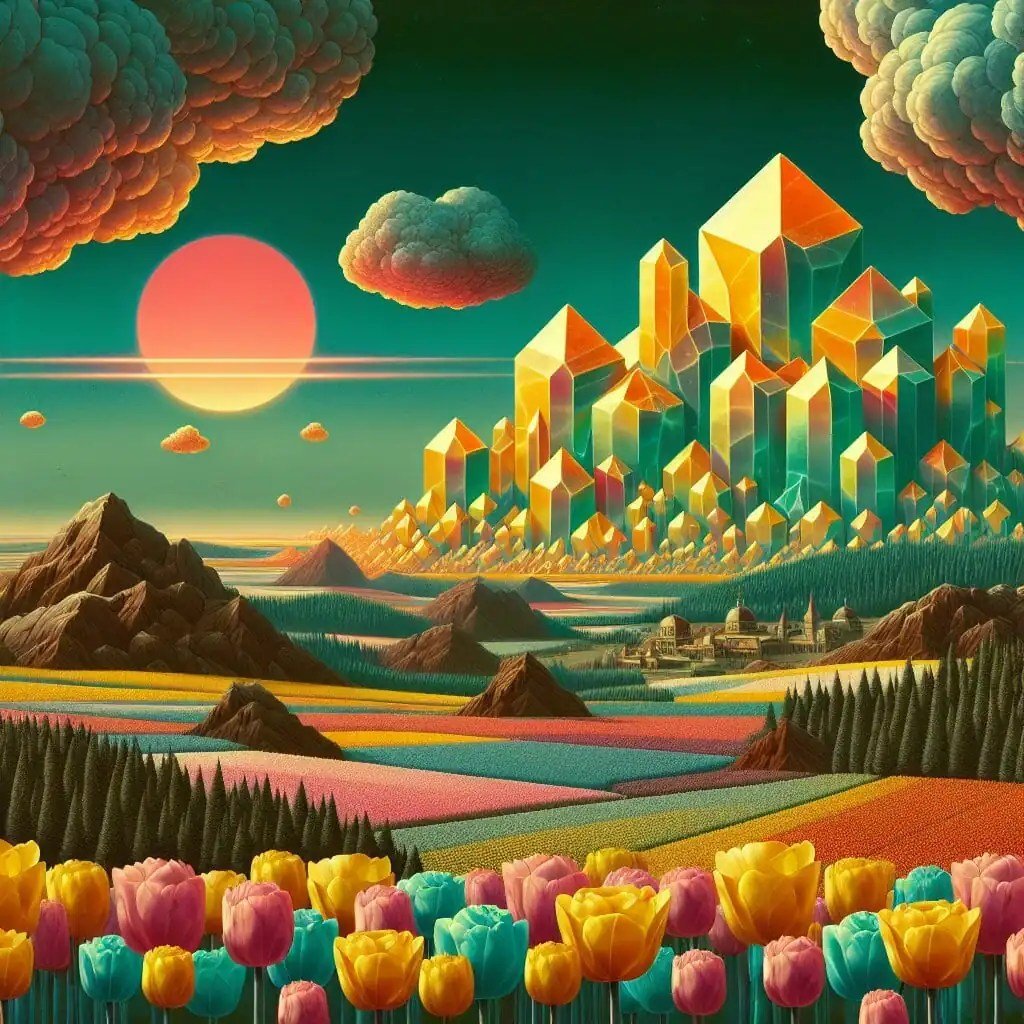
The digital canvas of AI art offers an unprecedented frontier for creativity, but only if you know how to wield the brush. Far too many aspiring AI artists grapple with frustration, seeing their brilliant concepts reduced to generic, lifeless images. The secret to unlocking the full potential of this revolutionary medium, to genuinely manifest your unique vision, lies in Mastering Prompts for Uncensored AI Art. It’s about learning to speak the AI's language, turning vague notions into vivid realities, and reclaiming creative control in an increasingly automated world.
At a Glance: Your Blueprint for AI Art Mastery
- Understand the AI's Language: Learn the core components that make up an effective prompt, from style to setting.
- Iterate and Refine: AI art generation is a conversation; expect to adjust and improve your prompts over time.
- Avoid Common Pitfalls: Sidestep the traps of vagueness, contradictory styles, and forgotten technical details.
- Leverage Negative Prompts: Exclude unwanted elements to sharpen your AI's focus and precision.
- Explore a Universe of Styles: Discover 32 distinct art styles, complete with templates and examples to kickstart your imagination.
- Practice Makes Perfect: The more you experiment, the more intuitive prompt crafting becomes.
The AI Whisperer: Why Your Prompts Make All the Difference
Think of an AI art generator as an incredibly talented, but somewhat literal-minded, apprentice. It can create anything, but it needs clear, precise instructions. A poor prompt is like telling your apprentice, "Make me something nice." A masterful prompt, however, is a detailed blueprint, specifying everything from the foundational aesthetic to the subtle play of light.
The quality and specificity of your prompts are the direct drivers of your output. They bridge the gap between a fleeting idea in your mind and a tangible, often breathtaking, image. Mastering this skill isn't just about getting better results; it’s about saving time, reducing frustration, and ultimately, transforming you from a mere user into a true director of AI creativity.
The Anatomy of an Unbeatable AI Art Prompt
Every powerful AI art piece begins with a prompt built on solid foundations. These essential components act as your guiding stars, directing the AI toward your intended outcome.
1. Style and Medium: Setting the Foundational Aesthetic
This is your artwork's DNA. Do you envision a painting, a photograph, or a 3D model? Will it be traditional or digital? Defining this upfront is critical, otherwise, the AI might default to something generic.
- Examples: Digital painting, oil on canvas, watercolor, 3D render, photography, illustration, pixel art, anime style, sketch.
2. Subject Description: Pinpointing Your Star
Be as clear and vivid as possible about what or who you want to appear. Describe their physical traits, actions, poses, and any key objects they interact with. The more detail you provide here, the less room there is for AI misinterpretation.
- Examples: A knight in shimmering armor, a playful kitten chasing a butterfly, an ancient spaceship docking at a futuristic station.
3. Parameters: The Technical and Artistic Nuts & Bolts
These are the finer details that elevate a good image to a great one. Think about the physical properties of objects, how light interacts with them, or specific artistic techniques.
- Examples: Material properties (metallic, glass, matte), lighting setup (rim light, volumetric light), repetition style (seamless, mirrored), comic techniques (speech bubbles, motion lines), depth of field (shallow, deep).
4. Setting/Scene: Building the World
Where does your subject exist? Describing the environment grounds your artwork and adds crucial context. Consider both the physical location and its overall atmosphere.
- Examples: Urban surface, natural habitat, ominous setting, studio lighting, gradient background, ancient ruins, bustling marketplace.
5. Lighting and Mood: Crafting Emotion and Focus
Light doesn't just illuminate; it dictates mood and draws the eye. Combine lighting conditions with an overarching emotional tone to imbue your art with feeling.
- Examples: Golden hour, moonlit, studio lighting, dappled sunlight; serene, gritty, chilling, whimsical, dramatic.
6. Color Palette: Guiding the Visual Harmony
Suggesting specific colors or tonal ranges ensures your artwork resonates with the desired visual impact. This can range from broad themes to precise hues.
- Examples: Warm earth tones, cool blues and grays, vibrant primary colors, monochromatic, pastel palette.
7. Adding Context: The Deeper Layers
Go beyond the surface. Incorporating historical references, cultural nuances, emotional subtext, or intricate details enriches your prompt, allowing the AI to tap into a broader understanding.
- Examples: "Inspired by Baroque art," "depicting the joy of reunion," "with intricate Celtic knot patterns."
Common Prompting Pitfalls (and How to Leap Over Them)
Even seasoned artists can stumble if they're not mindful of common mistakes. Avoiding these traps will significantly improve your hit rate and reduce wasted credits.
- Being Too Vague: The cardinal sin of AI prompting. "A beautiful landscape" is guaranteed to be generic. "A serene landscape with rolling hills and a winding river featuring autumn foliage in golden hour lighting with Impressionist brushstrokes" is far more likely to deliver. Specificity is your superpower.
- Ignoring Style and Medium: Failing to define the core aesthetic often leads to inconsistent or unappealing outputs. If you don't tell the AI it's a "digital painting," it might give you a rough sketch or a low-res photo.
- Including Too Many Contradictory Styles: Imagine asking an artist to create "a hyperrealistic cyberpunk painting in the style of Van Gogh with medieval stained glass elements." While interesting in theory, it often results in a muddled, confused image. Stick to a cohesive vision.
- Forgetting About Lighting and Composition: These technical details are paramount for professional-quality results. A stunning subject can fall flat with poor lighting or a weak composition. Always consider how light will fall and how elements will be arranged within the frame.
The Iterative Dance: Refining Your Vision
Creating AI art isn't a "set it and forget it" process. It's a dialogue, an iterative dance between your intention and the AI's interpretation.
- Start Strong: Begin with a detailed, well-structured prompt, incorporating as many of the key components as possible.
- Review and Assess: Analyze the AI's output. Does it capture the essence of your vision? Where does it deviate?
- Adjust and Refine: Tweak your prompt. Add more descriptive adjectives, specify new lighting, change the angle, or even remove elements that aren't working. This is where the magic happens – small changes can lead to dramatic improvements.
- Experiment Fearlessly: Don't be afraid to try different descriptions, swap out artistic styles, or even start fresh if an idea isn't gelling. The AI is your collaborator, not a rigid tool.
The Power of Negative Prompts: What NOT to Create
Many advanced AI art generators offer the option to use negative prompts. This powerful feature allows you to specify elements you don't want to see in your image. This helps to narrow the AI's focus, prevent unwanted artifacts, and ensure greater creative control.
- Examples of Negative Prompts:
ugly, deformed, blurry, low resolution, bad anatomy, extra limbs, watermark, text, out of frame, disfigured, poor quality.
By explicitly telling the AI what to avoid, you guide it more effectively towards your desired output, allowing for truly uncensored creative expression – free from unwanted distractions or imperfections. When you're ready to put these prompt techniques into action, finding the right platform is key. Many artists discover immense creative freedom and rapid iteration with a Free Uncensored AI Image Generator, allowing them to explore every facet of their imagination.
Your Artistic Arsenal: 32 Styles with Templates & Examples
Ready to dive into the practical application? This comprehensive toolkit provides 32 distinct AI art styles, each with a customizable template and a concrete example. Use these as springboards to generate your own unique masterpieces. Remember to mix, match, and modify them to suit your vision!
1. Fantasy
- Description: Mythical worlds, magical concepts, and epic narratives.
- Template:
[adjective] fantasy [digital painting, oil painting, watercolor] featuring [mythical creature or character] with [physical details, clothing, magical elements] in a [setting description with lighting and atmosphere] - Example:
Majestic fantasy digital painting featuring a dragon perched on ancient ruins with iridescent scales, glowing eyes, and wisps of smoke in a moonlit forest clearing with ethereal fog
2. Street Art
- Description: Urban edge, bold visual statements, and public art aesthetics.
- Template:
[adjective] street art in the style of [famous street artist or movement] featuring [subject] with [artistic techniques like stencils, tags, murals] on [urban surface or background] - Example:
Bold street art in Banksy's style featuring a robot planting flowers with stencil techniques and spray paint textures on a weathered brick wall
3. Nature and Landscapes
- Description: Serene, breathtaking scenes capturing the beauty of the natural world.
- Template:
[adjective] landscape with [natural elements like mountains, forests, water] featuring [specific details] in [time of day or weather conditions] with [artistic style or photographic approach] - Example:
Serene landscape with rolling hills and a winding river featuring autumn foliage in golden hour lighting with Impressionist brushstrokes
4. 3D Art
- Description: Dimensional, modern visuals with depth, realism, or stylized renders.
- Template:
[adjective] 3D render of [object or scene] with [material properties like metallic, glass, matte] featuring [lighting setup] and [environmental details or background] - Example:
Sleek 3D render of floating geometric shapes with metallic and glass surfaces featuring studio lighting and a gradient background
5. Collages
- Description: Blending multiple visual elements into unified, often layered, compositions.
- Template:
[adjective] collage combining [list of elements] with [visual effects like layering, transparency, textures] arranged in [composition style] with [color scheme] - Example:
Vibrant collage combining vintage photographs, geometric shapes, and botanical illustrations with layered transparency arranged in asymmetrical composition with warm earth tones
6. Cyberpunk
- Description: High-tech, neon-soaked aesthetics, dystopian urban environments, and transhuman themes.
- Template:
[adjective] cyberpunk scene featuring [character or object] with [tech elements like neon, holograms, cybernetics] in [urban setting] with [lighting and atmosphere details] - Example:
Gritty cyberpunk scene featuring a hooded hacker with glowing neural implants and holographic displays in a rain-soaked alley with purple and blue neon lights
7. Patterns and Shapes
- Description: Repeatable designs for backgrounds, textiles, decorative elements, or abstract art.
- Template:
[adjective] pattern featuring [geometric or organic shapes] with [repetition style] using [color palette] and [texture or finish details] - Example:
Intricate pattern featuring interlocking hexagons and circles with seamless repetition using jewel tones and metallic accents
8. Comics
- Description: Dynamic storytelling and character expression with bold lines, panels, and speech elements.
- Template:
[adjective] comic book panel showing [character or scene] with [action or emotion] featuring [comic techniques like speech bubbles, motion lines, dramatic angles] in [color style] - Example:
Dynamic comic book panel showing a superhero mid-flight with a determined expression featuring motion lines and speed effects in vibrant primary colors
9. Minimalism
- Description: Strips away excess to focus on essential elements, clean design, and impactful simplicity.
- Template:
Minimalist [digital art, illustration, composition] of [subject] using [limited color palette] with [simple shapes or lines] and [generous negative space or clean background] - Example:
Minimalist digital illustration of a coffee cup using only black and beige with simple curved lines and generous white negative space
10. Abstract
- Description: Explores color, form, and composition without representing specific objects, focusing on emotion and concept.
- Template:
Abstract [digital painting, composition] exploring [visual elements like shapes, lines, textures] with [color relationships] arranged in [composition approach] to evoke [mood or concept] - Example:
Abstract digital painting exploring flowing organic shapes and sharp geometric lines with contrasting warm and cool colors arranged in dynamic diagonal composition to evoke creative energy
11. Surrealism
- Description: Combines unexpected elements to create dreamlike, illogical, and thought-provoking imagery.
- Template:
Surreal [digital art, painting] featuring [realistic element] combined with [unexpected or impossible element] in [unusual setting or scenario] with [atmospheric details] - Example:
Surreal digital painting featuring a grand piano melting like wax, combined with butterflies emerging from the keys in a desert landscape with a purple twilight sky
12. Animals and Wildlife
- Description: Captures nature's creatures in compelling ways, from realistic to fantastical.
- Template:
[adjective] wildlife [photograph, illustration, painting] of [specific animal] [doing specific action] in [natural habitat] with [lighting and atmospheric conditions] - Example:
Dramatic wildlife photograph of a snow leopard stalking prey through mountain terrain in early morning mist with soft backlight
13. Portraits and Characters
- Description: Brings individuals to life with personality, emotion, and distinct features.
- Template:
[adjective] portrait of [character description] with [physical features, expression, clothing] in [setting or background] using [artistic style or photographic approach] - Example:
Striking portrait of a jazz musician in their 60s or 70s with weathered features, contemplative expression, and vintage fedora in a dimly lit club using film noir lighting
14. Typography
- Description: Transforms text into visual centerpieces, emphasizing artistic letterforms and arrangement.
- Template:
Create [adjective] typography art featuring [quote, word, or phrase] arranged in [layout or shape] using [font styles and sizes] with [decorative elements or effects] and [color scheme] - Example:
Create inspiring typography art featuring "Create Your Future" arranged in an ascending spiral using bold sans-serif and script fonts with geometric accents and a gradient from orange to pink
15. Cultural Scenes
- Description: Celebrates diverse traditions, daily life, and experiences authentically.
- Template:
[adjective] scene depicting [cultural event or daily life] featuring [people and activities] with [traditional elements like clothing, architecture, objects] in [setting] with [atmospheric details] - Example:
Vibrant scene depicting a Japanese tea ceremony featuring a master in traditional kimono preparing matcha with authentic utensils in a minimalist tatami room with soft natural light
16. Horror
- Description: Unsettling, atmospheric visuals that evoke fear, dread, and fascination.
- Template:
[adjective] horror scene featuring [subject or creature] with [unsettling details] in [ominous setting] with [dark lighting and atmospheric effects] - Example:
Chilling horror scene featuring an abandoned Victorian mansion with broken windows and overgrown vines in a fog-shrouded forest with moonlight casting eerie shadows
17. Vehicles
- Description: Focuses on cars, aircraft, trains, and other machines, highlighting design, power, and speed.
- Template:
[adjective] [vehicle type] with [design features and details] in [setting or environment] with [lighting and perspective] showing [angle or action] - Example:
Sleek sports car with aerodynamic curves and chrome accents in an urban nightscape with dramatic low-angle lighting showing three-quarter front view
18. Architecture
- Description: Visualizes buildings and interiors, showcasing layout, materials, and structural beauty.
- Template:
[adjective] architectural [rendering, photograph, illustration] of [building type] featuring [architectural style and elements] with [materials and finishes] in [setting and lighting conditions] - Example:
Stunning architectural rendering of a modern glass skyscraper featuring sustainable design and vertical gardens with reflective surfaces in sunset lighting
19. Mixed Media
- Description: Blends traditional and digital techniques, layering textures and effects for unique compositions.
- Template:
Mixed media [artwork, composition] combining [list of media types] featuring [subject] with [layering techniques and effects] using [color palette and texture details] - Example:
Mixed media artwork combining watercolor, ink drawings, and digital collage featuring a cityscape with layered transparency and texture using muted blues and earth tones
20. Graphic Design and Logos
- Description: Builds brand assets, balancing clarity, personality, and visual communication.
- Template:
[adjective] logo design for [business type or brand name] incorporating [design elements like symbols, shapes, typography] with [design style approach] using [color palette] - Example:
Modern logo design for a sustainable coffee company incorporating a coffee bean and leaf symbol with clean geometric lines using forest green and warm brown
21. Vintage
- Description: Recreates the look of earlier decades through type, texture, color, and stylistic elements.
- Template:
Vintage [advertisement, poster, photograph] from the [decade or era] featuring [subject] with [period-appropriate styling and elements] using [color treatment and texture details] - Example:
Vintage travel poster from the 1950s featuring a tropical beach destination with retro typography and idealized illustrations using faded colors and paper texture
22. Photorealism
- Description: Aims for images that pass as high-end photography, with sharp textures and accurate reflections.
- Template:
Photorealistic [image type] of [subject] with [specific details about texture, lighting, materials] shot from [camera angle] in [lighting conditions] with [depth of field or focus details] - Example:
Photorealistic product shot of a luxury watch with intricate dial details and polished metal surfaces shot from slightly above in studio lighting with shallow depth of field
23. Epic and Dramatic Scenes
- Description: Focuses on scale, tension, and strong focal points with big environments and bold lighting.
- Template:
Epic [scene type] showing [subject or action] with [dramatic elements] from [camera perspective] in [atmospheric conditions] with [lighting that enhances drama] - Example:
Epic battle scene showing warriors charging across a plain with storm clouds gathering from low-angle perspective in twilight with lightning illuminating the sky
24. Music-Inspired Art
- Description: Translates rhythm and tone into visuals, suggesting tempo, emotion, and sonic aesthetics.
- Template:
[adjective] music-inspired art for [genre] featuring [visual elements that represent the sound] with [artistic style or technique] using [color palette that matches the mood] - Example:
Vibrant music-inspired art for electronic dance music featuring sound waves morphing into geometric patterns with neon gradients using electric blue, magenta, and cyan
25. Conceptual Art
- Description: Turns abstract themes into clear visual ideas using symbols, composition, and color to convey meaning.
- Template:
Conceptual art representing [abstract concept or idea] through [symbolic visual elements] with [artistic approach] using [composition and color choices that reinforce meaning] - Example:
Conceptual art representing human connection through intertwined roots forming neural pathways with organic flowing forms using warm interconnected colors transitioning from earth tones to glowing gold
26. Historical Scenes
- Description: Rebuilds specific eras with period-accurate details in clothing, props, architecture, lighting, and palette.
- Template:
Historical scene from [specific time period] depicting [event or daily life] featuring [people and activities] with [period-accurate details] in [authentic setting] with [appropriate lighting and atmosphere] - Example:
Historical scene from Renaissance Florence depicting artisans working in a workshop featuring craftsmen in linen chemises with rolled-up sleeves, wool doublets unbuttoned at the chest, and heavy canvas waist-aprons, with their legs in fitted hose (chausses) tied at the waist. with authentic tools in a stone building with natural window light
27. Black and White
- Description: Emphasizes light and shadow, texture, contrast, and form for a focused, timeless feel.
- Template:
Black and white [photograph, illustration, artwork] of [subject] emphasizing [key elements like texture, contrast, form] with [lighting approach] shot from [angle or perspective] - Example:
Black and white photograph of a lone lighthouse against a stormy sea, emphasizing the harsh contrast between the white spray and dark rocks with dramatic low-key lighting shot from a wide-angle perspective
Your Journey to Uncensored Creativity
Mastering prompts for AI art is an ongoing journey, not a destination. The AI models are constantly evolving, and so too should your prompting techniques. Start by using the templates provided, but always remember to personalize them. Introduce new adjectives, swap out elements, and experiment with different moods and lighting.
The true "uncensored" nature of AI art comes not from bypassing filters, but from the unhindered expression of your own imagination. It's about having the skill to translate the most intricate, outlandish, or deeply personal visions from your mind directly onto the digital canvas, limited only by your ability to articulate them. The tools are there, the knowledge is now in your hands. Go forth and create.